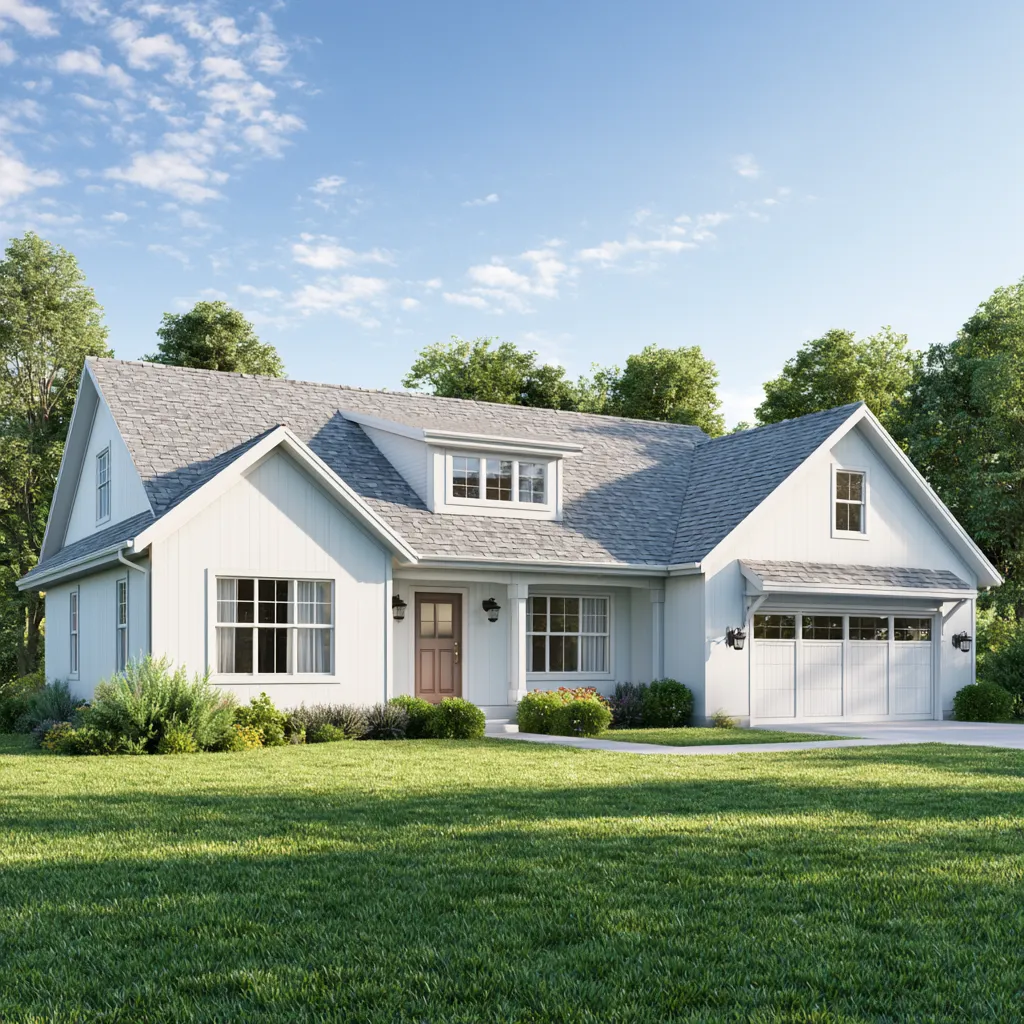
Roof Replacement in Cedar Hill, TX
A replacement is not a new surface laid over an old roof. The covering comes off, the wood underneath gets read, and everything goes back on in order.
What comes off before anything goes on
The part of a replacement nobody sees is the part that decides how it goes. Once the old covering is off, the deck is visible for the first time in twenty or thirty years, and whatever is wrong with it has to be dealt with before a single new shingle is fastened down.
That is the honest reason a firm number waits until the tear-off. Everything above the deck can be counted from the ground. What is under it cannot.
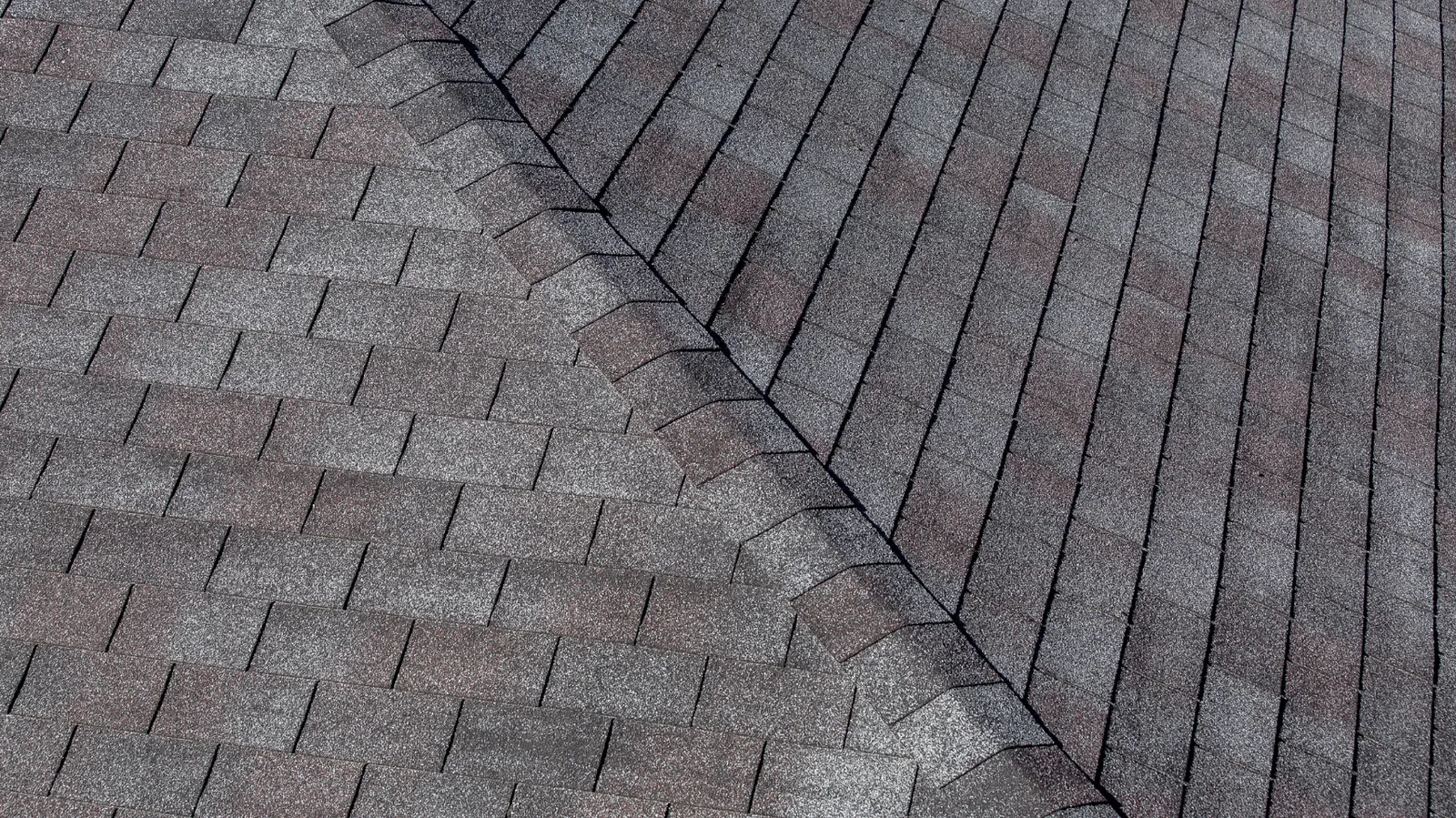
What a Cedar Hill roof replacement includes
The order matters as much as the parts. Each step below has to be finished before the next one is worth doing.
- 01Tear-off to bare deck
- Every layer comes off until the wood is exposed. Nothing is left underneath to be discovered later.
- 02Decking read and replaced
- Sheets that have gone soft or delaminated come out and new wood goes in. A fair estimate carries a per-sheet rate for this, because nobody can count them until the old roof is off.
- 03Underlayment across the field
- A water barrier goes down over the whole deck before any covering. It is what holds the line when wind drives rain past the surface.
- 04Membrane in the valleys
- Self-adhering membrane goes where water concentrates and where the roof is broken by a pipe or a vent. Those are the places a field of shingles was never asked to handle alone.
- 05New edge metal and flashing
- Drip edge and every wall, chimney and pipe boot detail are replaced outright. Old flashing under a new roof is the leak you pay for twice.
- 06Intake and exhaust balanced
- Air has to come in low before it can leave high, so both halves get set together. Exhaust on its own moves very little.
- 07Cleared before anyone leaves
- Debris and nails come off the driveway and out of the yard. That is part of finishing the job.
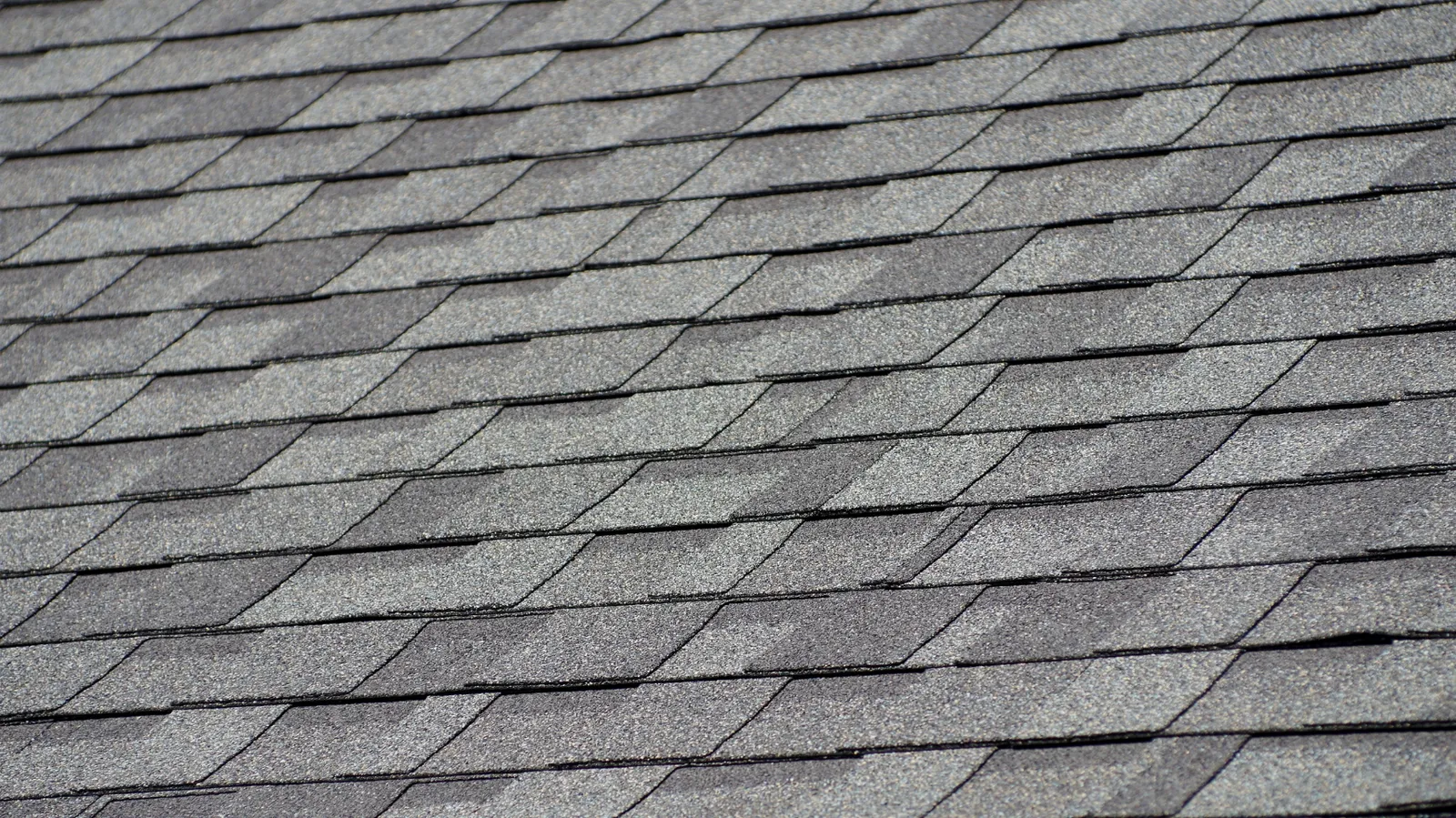
If an estimate leaves any of these out, that is the thing to ask about before signing.
Three steps, same on every roof
No part of this depends on you knowing anything about roofing. A roofer walks it and reports what is there.
The roof gets walked
A roofer measures the planes, counts the layers already up there, and photographs what is found. Those photographs are what the written estimate is built from.
The number comes back
The work is itemized so each line can be read on its own, including the per-sheet rate for any decking that has to be replaced. You keep it and take as long with it as you want.
The roof comes off
Tear-off, deck repair and the new assembly happen in that order, with the deck seen before anything covers it again. Cleanup is part of the day, not a separate visit.
When a Cedar Hill roof is past repairing
A roof is not replaced because it looks old. It is replaced when repairing it has stopped being the cheaper answer.
- Leaks arriving in new places: One leak a roofer can trace is a repair. Leaks turning up somewhere different each season are a system giving out in sequence.
- Two coverings already on the deck: Code stops the stack at two, so a roof carrying two is due a tear-off rather than another layer. That decision is made for you by what is already up there.
- Granules gone from the field: Bare mat showing across the slope means the surface has stopped protecting what is beneath it. Color fading on its own does not mean this.
- Decking that moves underfoot: Wood that flexes has been wet long enough to lose its strength. That is structural and it does not improve on its own.
- Repairs stacking up on one slope: Three patches on the same face in a few years is money spent twice. At that point the math has already turned.
None of these needs anyone on a ladder. All of them show from the ground or from inside.
What moves the price of a Cedar Hill roof replacement
Square footage is the smallest part of it. Layer count decides whether the job is a straightforward tear-off or a heavier one; pitch and the number of separate planes decide how long the roof takes to work safely; access decides how material gets up and debris gets down. Decking is the line nobody can settle in advance, which is why a per-sheet rate belongs in the estimate instead.
See what moves a replacement price- How many coverings are already on the deck
- Pitch, valleys and the number of separate planes
- How much decking has to be replaced once the roof is open
- Access and staging around the house
- The covering chosen and its impact rating
What a new roof in Cedar Hill is built against
The roof going on has to last through what this part of Dallas County does every year, and almost none of that is dramatic.
- 01Sun before storms
- Long hours of direct sun are what age a covering here between events. South and west slopes take the most of it.
- 02Hail as the interruption
- Dallas County sits in a hail corridor, which is why impact-rated shingles are the ones to ask about at replacement. It is a different product class from standard architectural shingle.
- 03Heat under the deck
- An attic that cannot move air holds heat against the underside of the covering. Ventilation is part of the replacement itself.
Storm figures here are the Dallas County record, not a reading taken at any one address.
Roof replacement questions Cedar Hill homeowners ask
The ones that come up before anyone signs anything. There is no pressure attached to asking any of them.
Q1Can a new roof go over the old one?
Q2How much decking will need replacing?
Q3Does the old flashing get reused?
Q4How long does a replacement take?
Q5Is a replacement always the right call on an older roof?
Q6What should the written estimate name?
Get a Cedar Hill roof replacement priced
The address, the age of the roof if you know it, and what made you start looking. A roofer walks it and the itemized number comes back from what was found up there.