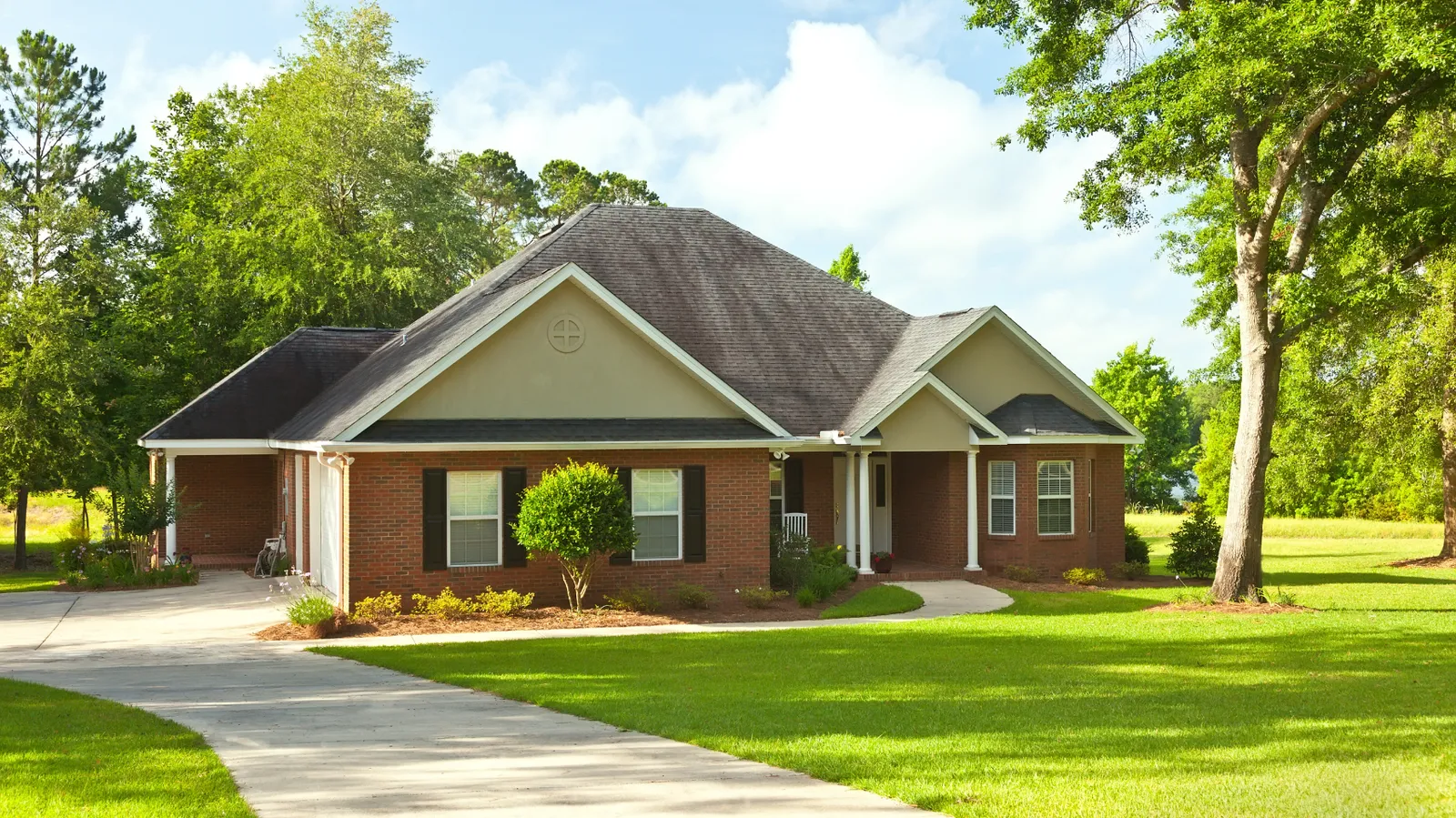
Roofing Warranties in Cedar Hill, TX
A roof warranty is not one document. It is two, from two different companies, and the one that leaves a homeowner exposed is usually the one nobody explained before the work started.
Why one word covers two different promises
Ask ten people what their roof warranty covers and most will describe one thing, when a roof actually carries two. The manufacturer's material warranty is a promise about the shingle itself: if the product is genuinely defective, the company that made it stands behind the material. The roofer's workmanship warranty is a separate promise about the install, covering flashing, fastening, sealing, and whether the roof was put together the way it is supposed to be.
Those two promises come from two different parties, run on two different clocks, and a leak traced to bad installation is not a material defect, so the manufacturer's warranty was never going to cover it. That is not a loophole. It is just what each document was written to cover, and knowing which one applies to a given problem is most of what a homeowner needs before anything goes wrong.
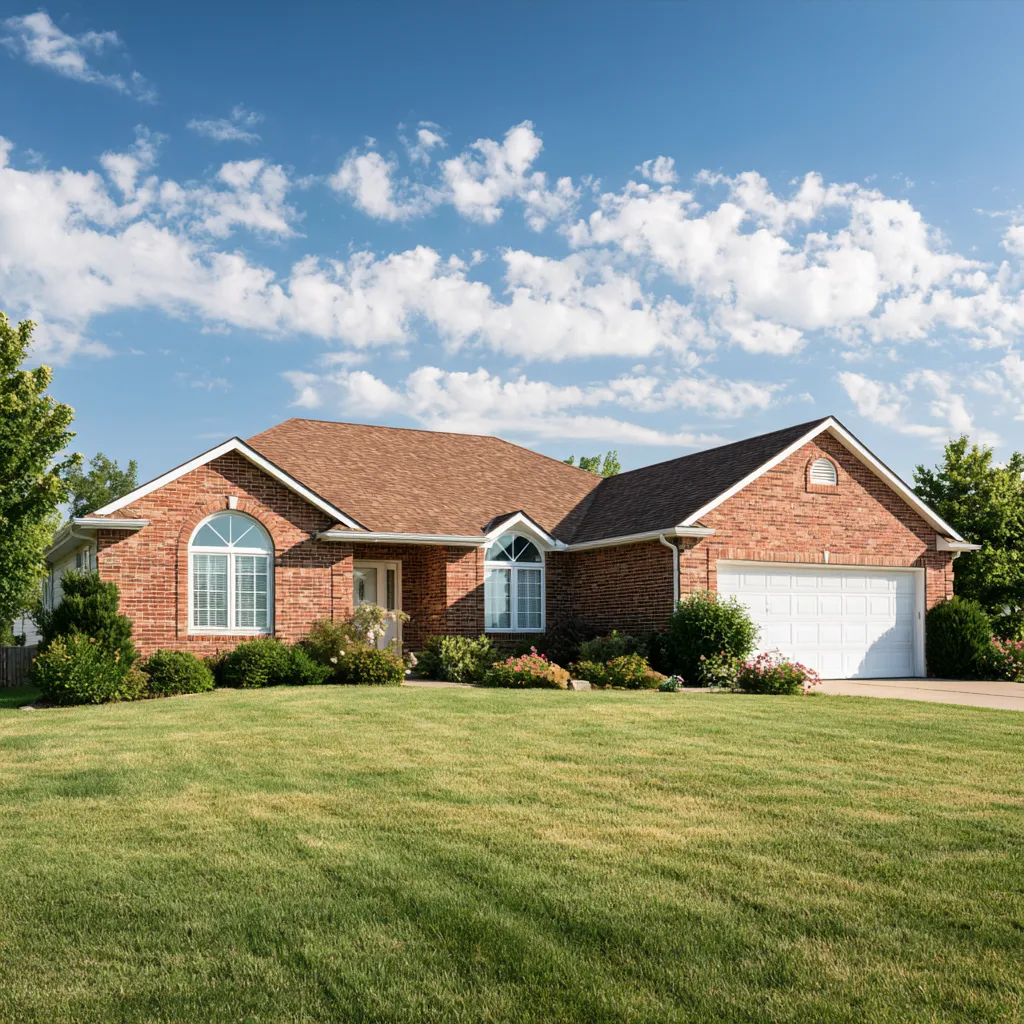
Manufacturer warranty vs. workmanship warranty
Same roof, two separate documents, and knowing which one a problem falls under decides who gets called first.
What to ask a Cedar Hill roofer before you sign
None of these require special knowledge, and a roofer confident in the work will answer all of them without hesitation.
- Ask for the warranty in writing: Get both the manufacturer's material warranty and the roofer's workmanship warranty as an actual document you can keep. If a roofer cannot produce paperwork for either one, that is worth noticing before anything is signed.
- Ask which company backs each one: Get the manufacturer named for the material coverage and get the roofer's own name on the workmanship promise. A warranty nobody can name is not much of a warranty.
- Ask what installation spec the material warranty requires: Fastener count, underlayment, and attic ventilation are the kind of details that can void material coverage if they are skipped. A roofer installing to spec should be able to say so.
- Ask whether it is a matched, single-manufacturer system: Mixing brands or skipping a qualifying component can knock out an upgraded warranty tier even when the shingle itself is fine. If an enhanced program is part of the pitch, ask what has to match for it to apply.
- Ask how a transfer works if the home sells: Many warranties transfer once, and only within a set window after closing, so this is worth knowing before a house goes on the market. Processing usually runs through the manufacturer.
- Ask what would put the coverage at risk: Every warranty has conditions, from required ventilation to routine maintenance to how the work was documented. A straight answer about what voids coverage is more useful than a sales pitch about what it includes.
What Cedar Hill homeowners want to know first
The questions that come up most once someone starts reading the paperwork. Ask your roofer the same ones before you sign.
Q1What's the difference between a manufacturer warranty and a workmanship warranty?
Q2Does a lifetime shingle warranty really last forever?
Q3Can bad installation void the material warranty?
Q4Does a roof warranty transfer if the house is sold?
Q5Does a roof warranty cover storm or hail damage?
Q6Who holds the warranty on a roof done through Cedar Hill Roofing Company?
Ask what your Cedar Hill roofing warranty covers
Send a few details about the roof and one of our roofers can walk through what each warranty covers and what to ask for. Reading a warranty takes time.