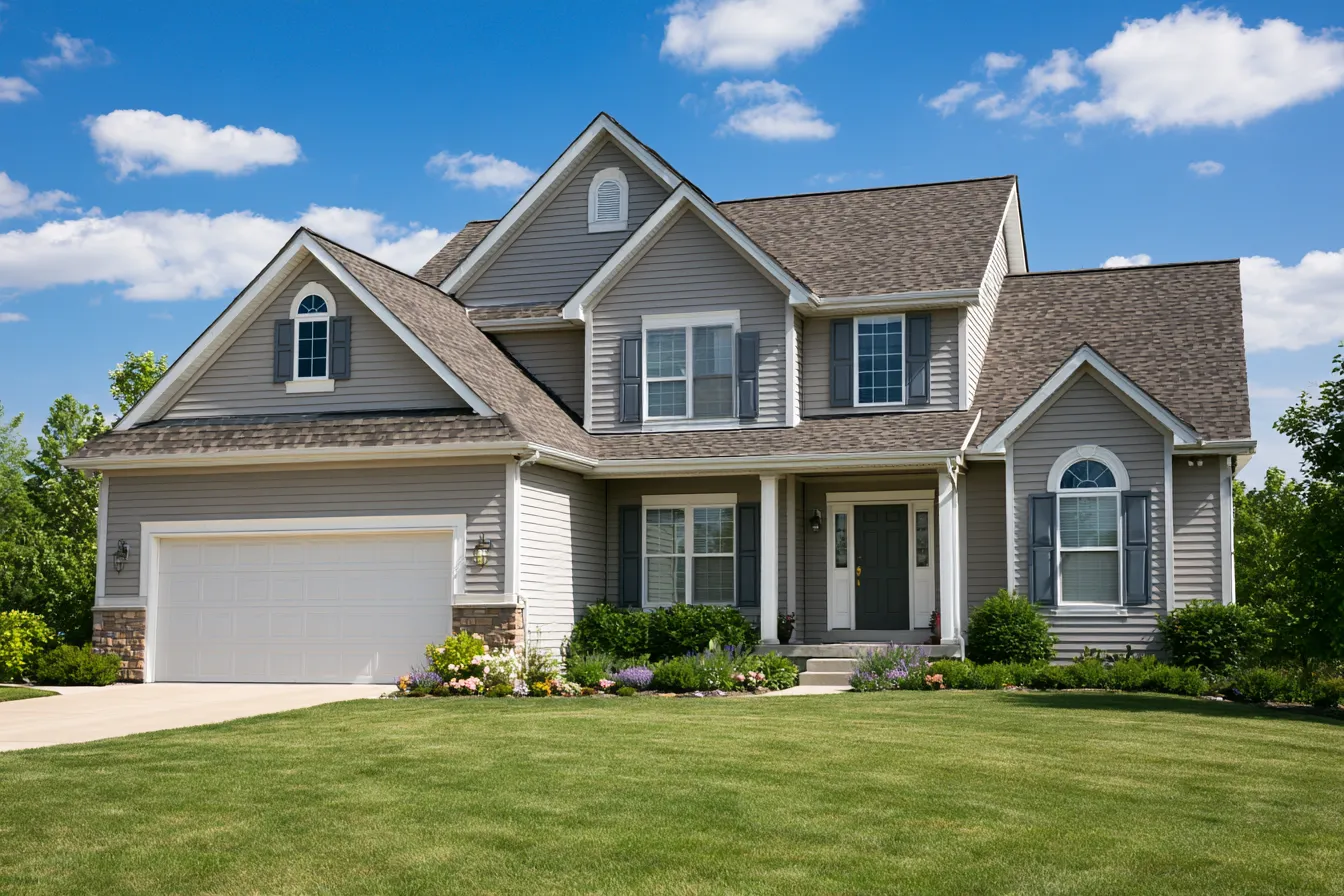
Roof Inspection in Cedar Hill, TX
You want to know what shape the roof is in, without a sales pitch riding along behind the answer. An inspection is a look at the planes and seams, written down, whether or not it turns up work.
What an inspection is for
There are two ways to find out what a roof needs: wait for the ceiling to say so, or have somebody look while nothing is showing. The second way costs nothing, and what it finds is usually the smaller of the two problems.
Take the rubber collar around a plumbing vent. It dries and splits years before the shingles beside it are anywhere near done, and there is no version of that you can see from the driveway. That is what Cedar Hill Roofing Company is for: getting a look at it, getting it written down, and saying so plainly when the answer is that nothing needs doing.
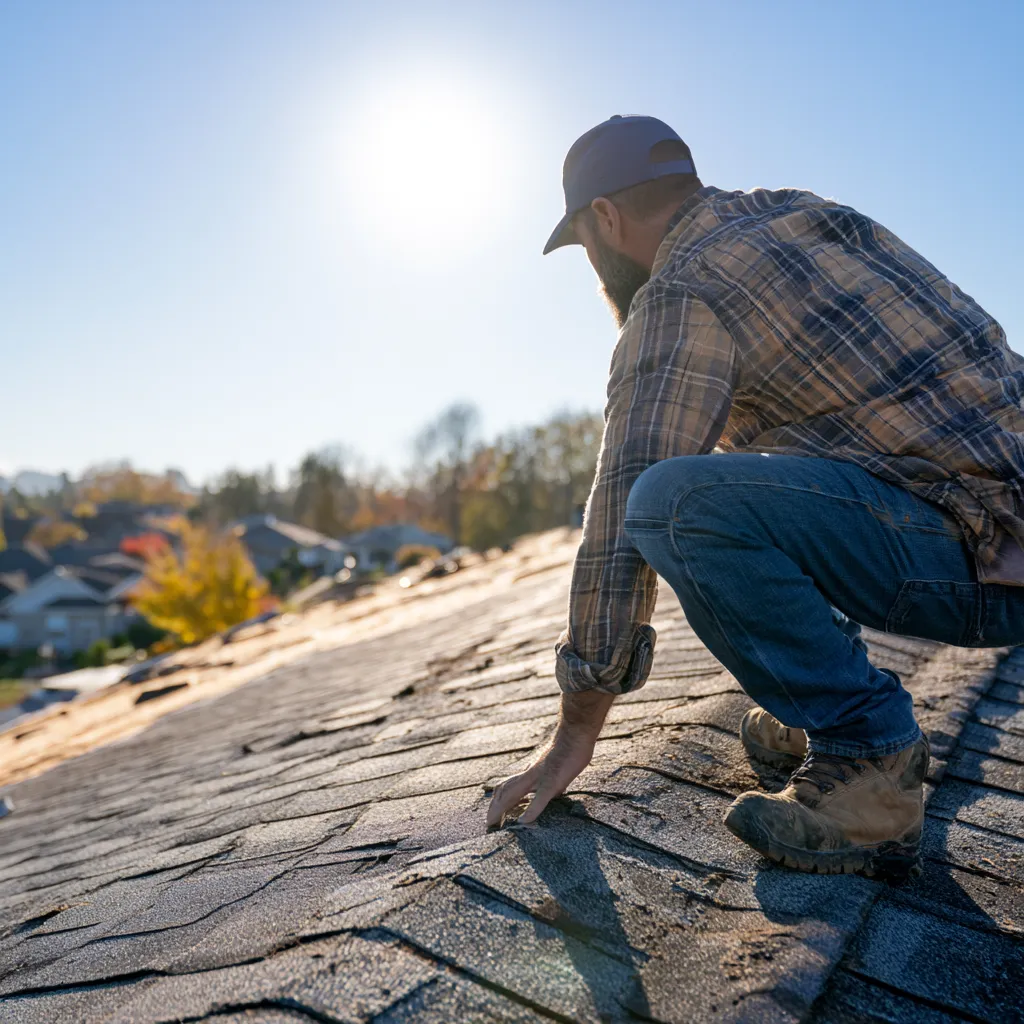
What goes into a roof inspection in Cedar Hill
A walk of the whole roof, not a glance at the slope facing the street. The slope you cannot see from the street is usually where the wear is.
- 01The layers underneath
- How many coverings are up there, and what the last one hid. Layer count decides whether a repair is even allowed.
- 02Flashing and pipe boots
- The seams and collars where most leaks start. Rubber and metal give up years before the field does.
- 03Valleys
- Where the most water runs, and where wear shows first. Two slopes send all their water down one line.
- 04The shingle field
- Creasing, lifted tabs, bruising, granules worn down to the mat. Granules in the gutter are the field showing its age.
- 05Deck and ventilation
- Soft spots underfoot, and whether the attic is breathing. Wood that flexes underfoot has been wet for a while.
- 06The attic side
- Daylight, damp sheathing, and stains that never reach a ceiling. Daylight through the boards is a hole you can see from inside.

None of this is a ladder job for a homeowner. Ask for the photos instead: a plane you have never seen beats a guess made from the driveway.
The order it happens in
The planes get looked at, and the write-up names the part, the place, and whether it needs doing now. Each stage adds to the same written record.
The address goes in
The form wants the address and whatever you have noticed. Nothing needs preparing at your end.
The roof gets walked
The planes, the valleys, the flashing, the penetrations, and the attic side where it can be reached. A simple roof does not take long to walk; a cut-up one with more valleys takes longer.
The findings, written down
The write-up names what was found and where, itemized, with photos of the parts you cannot see from the ground. When nothing needs doing, it says that.
When a Cedar Hill roof is asking for attention
Things you can notice without leaving the ground, plus one that is not a symptom at all. The one that is not a symptom is the age of the roof itself.
- Water marks inside: the mark shows where the water stopped, not where it got in.
- Grit at the downspout: heavy granule loss means the shingle is losing the coat over its mat.
- Shingles lifted or creased: wind breaks the seal, and the crease stays visible long after the storm.
- Daylight in the attic: light through the deck is an opening, wherever it turns out to be.
- A roof of unknown age: on a resale, the layer count and the last repair are guesses.
- Nothing at all: a roof that looks fine is the cheapest one there is to have looked at.
None of these are worth a ladder. Notice it from the ground, say which room or which side of the house, and leave the climbing to somebody who does it for a living.
What sets the number on a Cedar Hill inspection
The look and the written, itemized estimate cost nothing. The work gets priced off what is on the roof rather than off the size of the house.
Layer count moves the number most on older streets. The model code most jurisdictions adopt caps asphalt at two layers, so a roof already carrying two comes off to the deck next time.
See what moves the cost- How many layers have to come off first
- Planes, valleys, and pitch, more than floor area
- What the deck looks like once it is bare
- Chimneys, skylights, and anything the field has to work around
- Material class, from basic asphalt up to metal
- Whether it is one detail or the whole field
Why Cedar Hill roofs wear the way they do
Half the houses in this ZIP are older than 1994. That is one figure for the whole ZIP, and it hides the part that matters, which is that these streets were neither built nor re-roofed together.
The older side of town has been going up since the early 1980s, so most of it sits on a second or third covering by now. On houses that age the useful question is not how old the house is. It is what is stacked on the deck, and who put it there.
- 01Second and third coverings
- Two layers means the next roof is a tear-off, so the count changes the number.
- 02Mixed vintages, one block
- Neighbors re-roofed in different decades, so the roof next door tells you nothing about yours.
None of that settles what your own roof needs. It only says which questions to ask before anybody quotes anything.
Inspection questions Cedar Hill owners ask first
The ones that come up before anybody agrees to anything. Answers here assume nothing has been decided.
Q1Does a roof inspection cost anything in Cedar Hill?
Q2What exactly do I get?
Q3My roof looks fine. Is there any point?
Q4How do I find out how many layers my roof has?
Q5Who holds the warranty on any work that follows?
Q6If something is found, do I have to file a claim?
Request a Cedar Hill roof inspection
Send the address and whatever you have noticed on the roof. Cedar Hill Roofing Company gets the roof looked at and the findings written down and itemized, including the times the answer turns out to be that nothing needs doing.