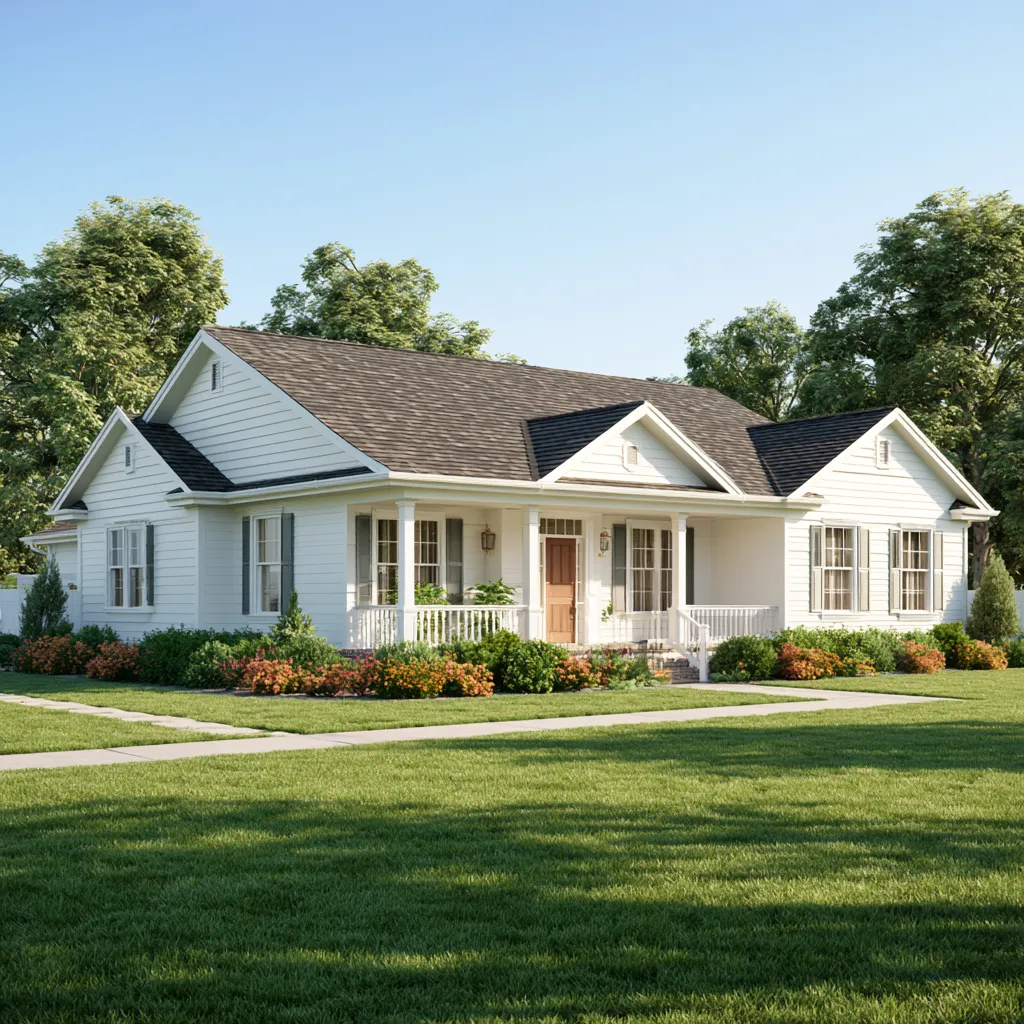
Roofing Materials in Cedar Hill, TX
Roofing materials in Cedar Hill, TX start with the shingle everyone names, but the covering is one layer in a stack that runs from the wood deck to the vents in the attic. The layers nobody talks about are usually the ones that decide how long that covering actually lasts.
A roof is an assembly, not a single material
Ask most homeowners what their roof is made of and they will name the shingle. That is fair, since it is the part anyone can see from the street, but it is one piece of a stack that starts at the wood decking and ends at the vents in the attic. Each layer in that stack has one job, and if any single one of them is wrong, the shingle sitting on top of it does not matter as much as it looks like it should.
The sections below go through that stack layer by layer: what each one does, and what tends to go wrong when it is missing, worn out, or installed badly. None of it argues for one shingle over another. It argues for looking at the whole roof instead of just the part that shows.
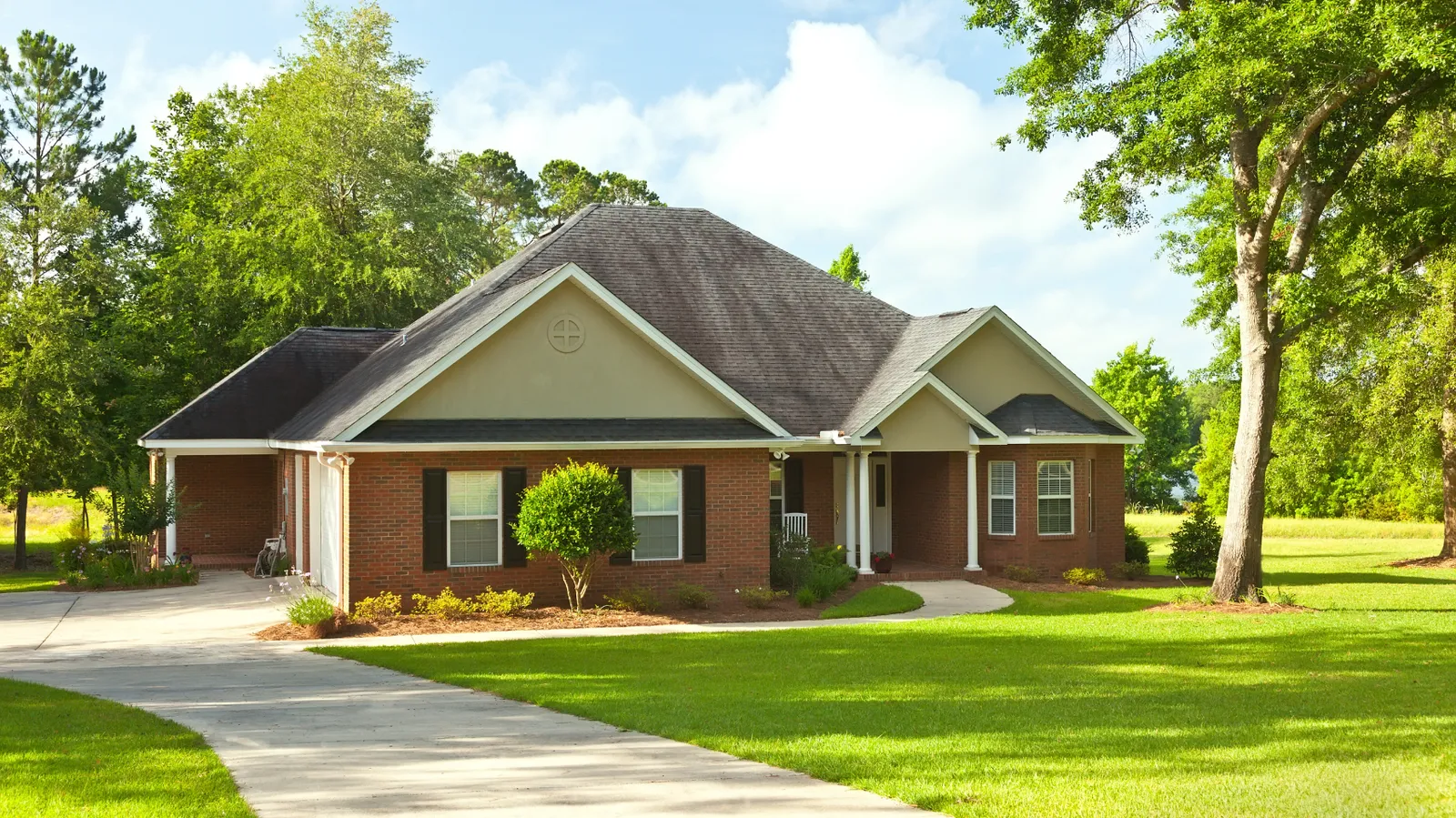
covering types, at the category level
These sit on top of the assembly below and take the weather first. None of them perform any better than the layers underneath them.
Asphalt shingle
The most common covering on roofs in this area, made of a reinforced mat coated in asphalt and mineral granules. It ties into standard flashing, underlayment, and venting details, which is part of why it fits most roof shapes without custom work.
Standing seam metal
Long metal panels with raised seams that run from the ridge down to the eave, fastened with concealed clips instead of exposed nails. Water runs down the seam to the gutter instead of crossing an open surface, and there is no granule coating to wear away over time.
Stone-coated steel
Steel panels formed into a shingle or tile shape and finished with a stone granule coating, so it reads like a traditional roof from the ground. It carries a metal panel's strength underneath a textured surface instead of a flat one.
Synthetic slate or tile
Molded composite shaped to match natural slate or clay tile without the weight either material carries. It is installed and flashed like a shingle roof rather than the heavier framing and masonry methods the originals need.
* Product and carrier set the warranty and insurance figures, confirmed in writing up front. The manufacturer warranty rides on the installed system.
the assembly, layer by layer
The covering is what gets picked. Everything below it is what gets installed, and each layer is there for a reason.
Questions about what goes into a Cedar Hill roof
A few questions that come up once the conversation moves past the shingle.
Q1Do I get to see what is under my current shingles?
Q2Does a better covering make up for weak layers underneath it?
Q3Why do roofs leak at flashing more than out in the open field?
Q4Is ventilation really part of a materials conversation?
Q5Do all coverings need the same underlayment?
Ask what your Cedar Hill roof is built from
Send in a few details and get the assembly checked against your own roof instead of a guess made from the curb. Ask about any layer on this list, and no sales pitch comes with the answer.